
Who Pays Urgent Rental Repairs in Australia?
A burst water pipe at 10 pm is not the time for uncertainty. When tenants ask who pays urgent rental repairs, the answer usually depends on what caused the problem, the terms of the tenancy and the repair rules in the relevant state or territory. In most cases, an urgent repair needed to keep a home safe, secure or habitable is the landlord’s cost. A tenant may be responsible where their actions, neglect or misuse caused the damage.
Clear reporting and prompt action protect both the property and the people living in it. They also prevent a relatively small issue from becoming a costly insurance claim or major repair.
What counts as an urgent rental repair?
Urgent repairs are not simply repairs a tenant would like completed quickly. They are faults that require immediate attention because they create a safety risk, leave the property insecure or seriously affect essential services.
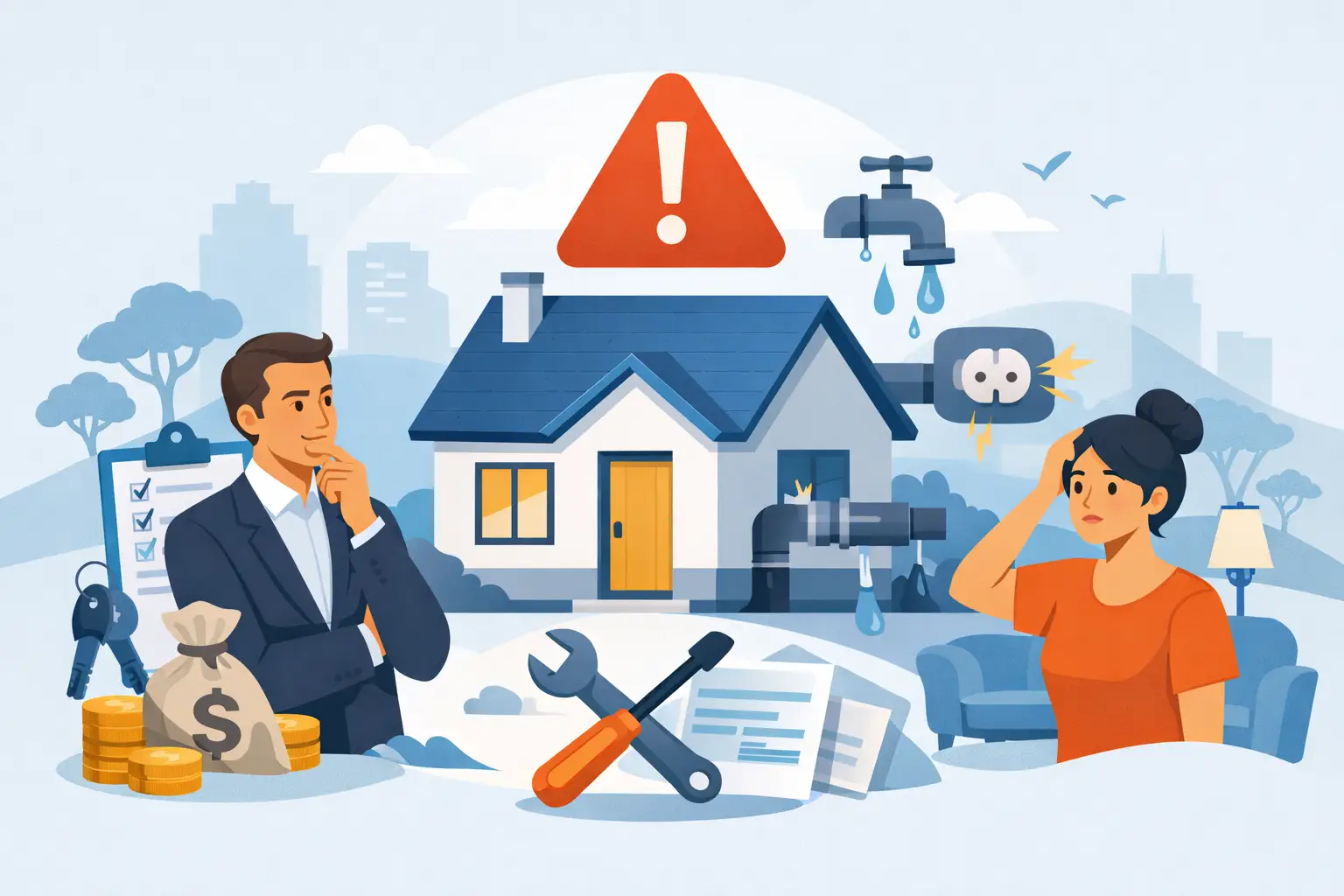
The exact legal definition differs between Australian states and territories, but urgent repairs commonly include a serious water leak, burst water service, blocked or broken toilet where there is no other working toilet, dangerous electrical fault, gas leak, major roof leak, fire damage, flooding, failure of essential hot water or cooking facilities, or a broken lock that makes the home insecure.
A failed air conditioner, sticking cupboard door or worn carpet may still require maintenance, but will not usually be treated as urgent unless it creates a genuine health or safety issue. This distinction matters because urgent repair processes often allow tenants to act faster if the landlord or property manager cannot be reached.
Who pays urgent rental repairs?
The landlord usually pays for property faults
Landlords are generally responsible for keeping a rental property in a reasonable state of repair and meeting minimum safety and habitability requirements. If an urgent fault arises through age, normal wear and tear, an unexpected system failure or a defect in the property, the landlord normally pays for the repair.
For example, the owner would generally cover the cost of repairing a failed hot water system, fixing a burst pipe behind a wall or arranging an electrician for a dangerous wiring issue. This responsibility remains even if the repair is inconvenient, expensive or happens outside business hours.
A property manager can coordinate the repair, engage an approved tradesperson and keep both parties informed, but they do not personally take on the owner’s repair cost. Their role is to manage the process efficiently and ensure the issue is documented.
The tenant may pay when they caused the damage
Tenants are responsible for taking reasonable care of the property and reporting damage as soon as practical. If an urgent repair is needed because a tenant, another occupant or their visitor caused the problem, the tenant may be liable for the reasonable cost.
Examples may include a blocked toilet caused by unsuitable items being flushed, a broken window caused by accidental damage, a damaged lock following lost keys, or an appliance damaged through misuse. The facts matter. A toilet blockage, for instance, is not automatically the tenant’s cost if the cause is a plumbing defect or tree roots in the sewer line.
Liability should not be assumed before the cause is investigated. The tradesperson’s report, photos, prior maintenance records and the condition report can all help establish whether the issue was tenant-caused damage or a property maintenance matter.
Shared responsibility can arise in some cases
Occasionally, both parties have contributed to the problem. A tenant may have delayed reporting a minor leak until it caused significant damage, while the owner may have failed to address an earlier repair request. In these situations, responsibility can be more complex.
The right approach is to keep records, obtain a clear assessment from the tradesperson and consider the relevant tenancy legislation. A fair outcome should be based on evidence, not assumptions made during a stressful after-hours call-out.
What tenants should do when an urgent repair happens
The first priority is safety. If there is an immediate danger, such as a fire, gas smell, serious electrical hazard or threat to life, tenants should contact emergency services. For water leaks, turning off the water at the mains where safe to do so can reduce damage. For an electrical issue, tenants should not attempt repairs or touch damaged wiring.
Tenants should then notify the property manager or landlord using the emergency contact details provided with the tenancy. A clear report should state what has happened, when it started, whether anyone is at risk and what steps have already been taken to limit damage.
Photos or short videos can be useful, particularly for leaks, storm damage, broken locks and flooding. Tenants should retain records of calls, emails, text messages and invoices. Good records help resolve questions about timing, cause and costs later.
If the nominated contact cannot be reached, tenancy laws in many jurisdictions allow tenants to arrange an urgent repair up to a prescribed cost limit. Those limits and reimbursement processes vary by state and territory. Before engaging a tradesperson, tenants should use reasonable efforts to contact the property manager or landlord, use a suitably qualified provider and request an itemised invoice.
Tenants should not withhold rent to cover urgent repair costs unless they have received appropriate legal advice or written direction. Rent and repair reimbursement are usually handled separately.
What landlords need to have in place
Urgent maintenance is easier to manage when the process is prepared before anything goes wrong. Landlords should ensure their property manager has current emergency contact details, access arrangements, approved tradesperson contacts and clear instructions for repair authorisation.
It is also sensible to maintain essential systems. Regular servicing of smoke alarms, hot water units, heating, cooling, gutters, electrical items and plumbing can reduce the likelihood of disruptive after-hours repairs. Preventive maintenance does not eliminate every failure, but it gives owners a better record of responsible property upkeep.
Landlords should also review their landlord insurance policy carefully. Insurance may assist with certain accidental damage or loss of rent events, but it will not necessarily cover maintenance arising from wear and tear, gradual deterioration or a pre-existing defect. The repair should still be addressed promptly, regardless of whether an insurance claim may follow.
How a property manager helps control the cost and disruption
A specialist property manager provides a clear point of contact when an urgent issue occurs. They can assess the report, determine whether it is likely to meet the urgent repair threshold, arrange an appropriate tradesperson and communicate the next steps to the tenant and owner.
This process is not just about organising a call-out. It is about making sound decisions with limited information. A good manager will ask practical questions, request photos where appropriate, confirm whether the property can be made safe and document instructions. They will also follow up on the repair outcome and identify whether further work is required.
For owners, this provides oversight without requiring them to manage emergency calls, invoices and tradesperson access themselves. For tenants, it provides a defined reporting pathway and confidence that serious issues are being handled.
Avoiding common disputes about urgent repairs
Many urgent repair disputes begin with unclear communication. A tenant may describe a fault as an emergency without explaining the impact, or an owner may delay action because they believe the issue can wait. The practical question is whether the problem affects safety, security, water, gas, electricity, sanitation or the reasonable use of the home.
It also helps to separate the immediate repair from the question of final liability. If a pipe is flooding the property, stopping the water comes first. The cause of the failure and who ultimately pays can be assessed once the home is safe and the tradesperson has inspected it.
Tenants should report concerns early, even when they do not appear urgent. Landlords should respond to maintenance requests within a reasonable timeframe and retain repair records. Early action is often the least expensive option for everyone.
Urgent repairs are part of owning and renting a home, but they do not need to become a dispute. With a clear emergency contact process, accurate records and prompt professional action, landlords can protect their investment while tenants can stay safe and secure in their home.