
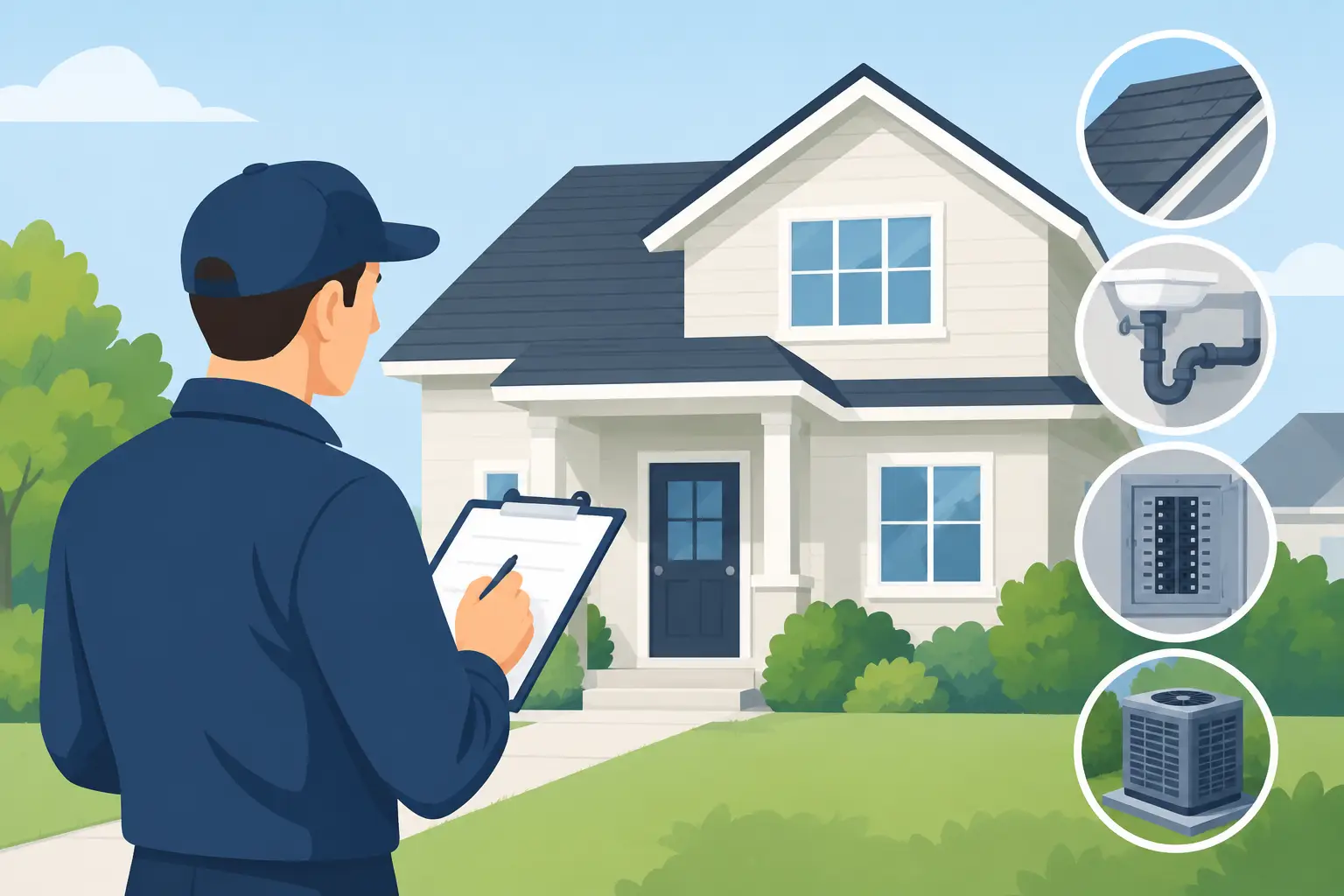
Property Inspections for Rental Homes Explained
A rental property can change quickly between lease sign-up and renewal. A small leak under a vanity, an unreported appliance fault or damage to an external fence can become more costly when it is not identified early. Property inspections provide a clear, practical record of a home’s condition and help landlords and tenants address issues before they escalate.
For landlords, inspections are part of responsible asset management. For tenants, they are an opportunity to raise maintenance concerns and show that the home is being properly cared for. When the process is organised, respectful and well documented, it protects both sides of the tenancy.
What property inspections are designed to achieve
A property inspection is not simply a check for mess or a reason to interrupt a tenant’s quiet enjoyment of their home. Its purpose is to assess the condition of the premises, identify maintenance requirements, check for apparent damage, and confirm the property is being used in line with the tenancy agreement.
A good inspection also gives a property manager the information needed to make timely recommendations to an owner. This may include arranging a repair, scheduling preventative maintenance, obtaining a quote for a larger item of work, or monitoring an issue at the next visit.
Inspections should be conducted with clear notice and in accordance with the tenancy legislation that applies in the relevant state or territory. Notice periods, permitted inspection frequency and entry requirements differ across Australia. A professional property manager will follow the local rules and communicate the appointment clearly.
The main inspections during a tenancy
Different inspection types serve different purposes. Treating them as one process can cause confusion, particularly when questions arise about the property’s condition at the end of a lease.
Entry condition report
The entry condition report is completed at the start of the tenancy. It records the condition of rooms, fixtures, fittings, outdoor areas and any inclusions provided with the property. Photographs are often used alongside written notes to create a detailed reference point.
Tenants should review this report carefully and return it within the required timeframe for their state or territory. If an existing mark, stained carpet, cracked tile or worn blind is not recorded, it can be harder to establish that it was present at the beginning of the tenancy.
For owners, a thorough entry report provides the benchmark for future assessments. Vague descriptions such as “good condition” are less useful than specific notes that identify the item, its condition and any existing wear.
Routine inspections
Routine inspections occur during the tenancy at intervals set by local legislation and the tenancy agreement. They help identify maintenance needs while the property is occupied and allow a manager to monitor its general condition.
The inspection will usually consider internal areas, bathrooms, kitchen appliances, smoke alarms where applicable, heating or cooling systems, doors, windows, gardens and external structures. The focus is on the condition of the property, not a tenant’s personal belongings or everyday lifestyle.
A home does not need to look like a display property. Normal day-to-day living is expected. However, excessive clutter that prevents safe access, unapproved alterations, signs of water damage, pet damage, or a lack of reasonable care may need to be discussed and documented.
Maintenance inspections and contractor access
Some visits are arranged for a specific maintenance issue rather than as a routine inspection. If a tenant reports a leaking tap, faulty oven, damaged flyscreen or drainage concern, the property manager may attend with a qualified contractor or arrange access for repairs.
Tenants should report maintenance promptly, preferably in writing through the agreed communication channel. Early reporting protects the property and can prevent avoidable disruption. A slow drain may be a simple blockage, but it may also indicate a larger plumbing issue that requires attention.
Owners should understand that some repairs are urgent and cannot wait for a routine visit or a convenient quote process. The applicable tenancy laws set out obligations around urgent repairs, and a property manager can help coordinate the right response.
Final inspection
The final inspection takes place after the tenant has vacated and returned possession of the property. The property is assessed against the entry condition report, allowing for fair wear and tear.
Fair wear and tear is the gradual deterioration that occurs through ordinary use, such as faded curtains, worn carpet in a high-traffic area or minor marks consistent with age. It is different from damage caused by neglect, misuse or an accident. The distinction matters when assessing cleaning, repairs and any bond-related claim.
How landlords can prepare for better outcomes
The most useful inspections begin before the appointment. Owners should keep accurate records of completed maintenance, appliance replacements, renovations and any known issues. This gives the property manager context when reviewing the home and helps avoid attributing an old concern to a current tenancy.
It is also worth treating inspection reports as working documents rather than filing them away. Read the notes and photographs, respond to recommended work promptly, and ask questions where an issue is unclear. Delaying minor repairs can affect tenant comfort, increase repair costs and shorten the life of building components.
Preventative maintenance is often less expensive than reactive work. Servicing air conditioning, clearing gutters when appropriate, checking drainage, maintaining fences and attending to early signs of leaks can protect the value and lettability of a rental home. The right schedule depends on the property’s age, location, features and exposure to weather.
What tenants can do before an inspection
Tenants are not expected to undertake repairs that are the owner’s responsibility. They are, however, expected to keep the premises reasonably clean, notify the property manager of maintenance issues, and provide access when lawful notice has been given.
Before an inspection, tenants should make sure the property manager can safely access key areas such as sinks, appliances, bathrooms, smoke alarms and outdoor spaces. Any maintenance concerns should be reported rather than saved for the appointment. This creates a written record and enables a repair to be arranged without delay.
If a tenant has made an approved alteration, installed an approved fixture or has a pet under an approved arrangement, keeping the relevant correspondence available can be helpful. Clear communication avoids misunderstandings and supports a positive tenancy relationship.
What a useful inspection report includes
A report should be clear enough that an owner understands what action, if any, is required. It should record the date of the inspection, who attended, the condition of relevant areas, supporting photographs and specific maintenance recommendations.
The strongest reports separate observations from conclusions. For example, “water staining visible to ceiling near ensuite doorway” is more useful than “ceiling issue”. It identifies the location and nature of the concern without making assumptions before the cause has been assessed.
Photographs should be well lit, dated through the reporting system where possible, and taken from a useful distance. Close-up images can show detail, while wider images provide context. Consistent reporting makes it easier to compare the condition of the property across the life of a tenancy.
Inspections work best as a shared record
Property inspections are most effective when they are not treated as a fault-finding exercise. They provide landlords with oversight of a valuable asset and give tenants a structured way to raise issues affecting their home.
At Elite Property Management Group, the aim is to keep that process clear, compliant and practical. Good records, timely maintenance and respectful communication give everyone greater certainty throughout the tenancy – and help keep a rental home safe, functional and well maintained.