
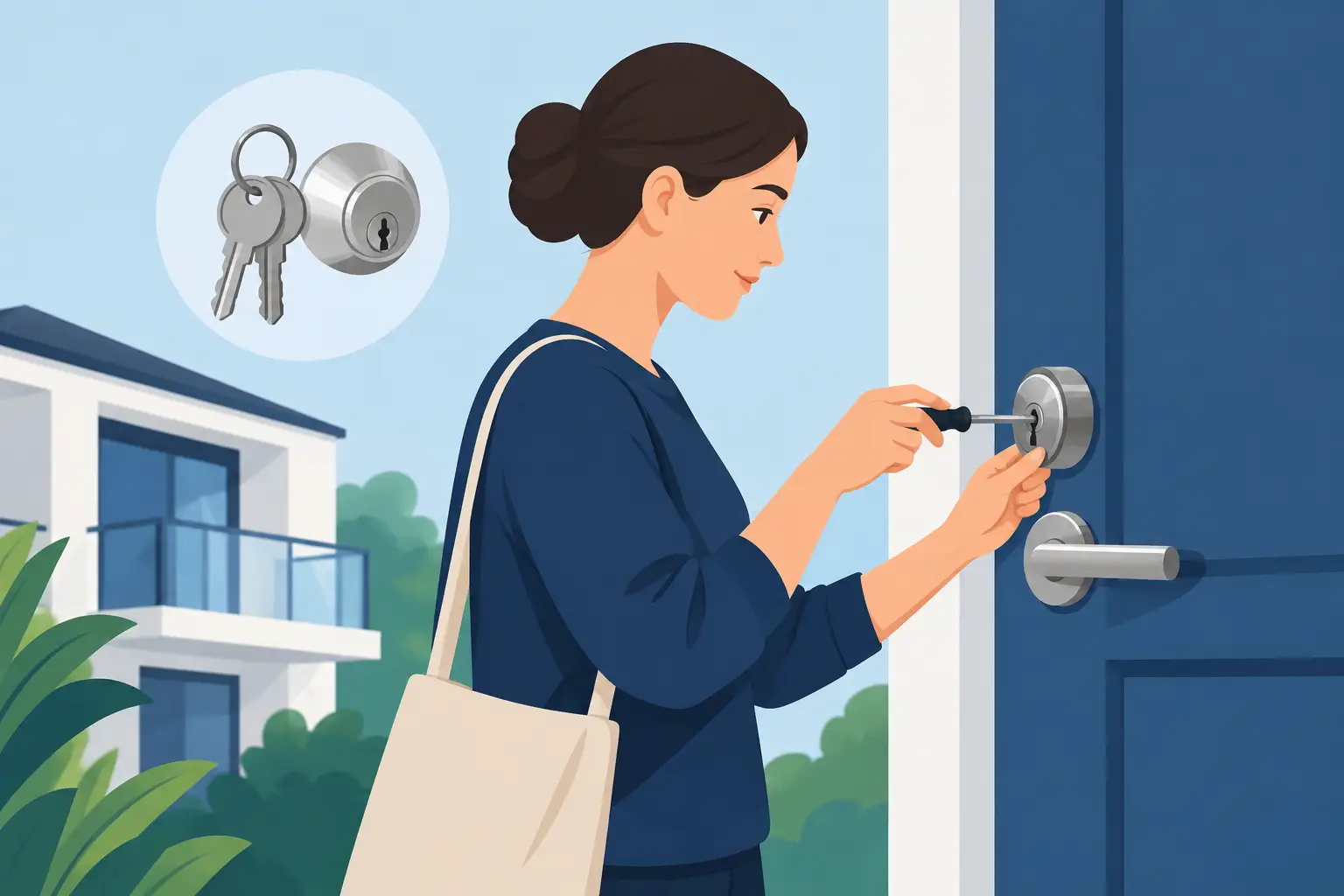
Can Tenants Change Locks on a Rental in Australia?
A tenant arrives home to find a lost key, a damaged deadlock or an ex-housemate who may still have access. The immediate question is often: can tenants change locks? In Australia, the answer depends on the state or territory, the tenancy agreement and the reason the lock needs to be changed. Security matters, but so do the owner’s rights and the property manager’s ability to access the home lawfully.
The safest approach is to contact the property manager before arranging a locksmith, unless there is an urgent safety issue. Clear communication can prevent disputes, avoid unnecessary costs and ensure everyone who needs authorised access receives the right keys.
Can tenants change locks during a tenancy?
In most Australian jurisdictions, tenants cannot simply replace or rekey locks without following the relevant tenancy rules. A lock is part of the rental property, so changing it is usually treated as an alteration. The tenant may need the landlord’s written consent, and in many cases must provide a new key or access code promptly after the work is completed.
That does not mean a tenant should ignore a genuine security concern. If a key has been stolen, a lock has failed or there is a credible risk that an unauthorised person can enter the property, prompt action may be reasonable. The key is to involve the property manager as early as possible and keep a written record of what has happened.
Rules differ between states and territories. In some locations, renters have clearer rights to change locks, provided they supply a key to the rental provider. Elsewhere, consent is generally required except in particular circumstances, such as family violence protections. A tenancy agreement may also set out a process for keys, remotes, security screens and locksmith work, but it cannot override the applicable residential tenancy law.
Start with the reason for the lock change
The reason behind the request affects how quickly it should be handled and who may be responsible for the cost. A routine preference for a new lock is different from a broken front-door lock or a safety risk following a relationship breakdown.
Lost or stolen keys
If keys are lost or stolen, tenants should notify the property manager straight away. Rekeying may be the sensible option, particularly where the address was attached to the keys or the tenant suspects they were taken. The tenant will often be responsible for the cost where the loss was their responsibility, although the circumstances should be considered before any decision is made.
Tenants should not leave the property unsecured while waiting for instructions. If immediate locksmith attendance is needed, they should retain the invoice, take photographs where relevant and advise the property manager as soon as practical.
A faulty lock or damaged door
A lock that no longer secures the home may be an urgent repair. Owners are generally responsible for keeping the premises reasonably secure and in a good state of repair, unless the damage was caused by the tenant, their household or a visitor.
For an urgent repair, tenants should follow the emergency repair procedure in their agreement or tenant information. This usually includes contacting the property manager first, then an approved tradesperson if the issue cannot wait. Using an unapproved locksmith for non-urgent work can create confusion over cost, workmanship and replacement keys.
Security after a break-in or safety concern
After a break-in, attempted break-in or threatening incident, security should be addressed without delay. Contact police where appropriate, then advise the property manager. The property manager can arrange suitable repairs and ensure the owner receives accurate information.
Family violence provisions may allow a tenant to change locks or restrict access in ways that would not apply in an ordinary tenancy situation. These provisions vary across Australia and can involve specific notices, evidence requirements and obligations to provide keys. Tenants who are concerned for their immediate safety should seek emergency assistance and specialist support, as well as tenancy advice relevant to their state or territory.
Consent, keys and access after a lock change
Where a lock is changed with approval, the practical details still matter. The property manager needs to know what was installed, who completed the work and how access will be managed. This is not about unrestricted entry. Landlords and property managers must continue to give the legally required notice before entering the property, except in an emergency or another limited lawful circumstance.
A replacement lock should be properly fitted, suitable for the door and compliant with any relevant building, strata or fire-safety requirements. For example, a lock that prevents safe exit in an emergency is not an acceptable solution. If the property is in a strata scheme, changes to common-property doors, building access systems or fobs may need additional approval.
Tenants should provide copies of replacement keys, remotes or access codes when required under local law or the agreement. They should also keep a record of the handover. For owners, receiving and securely storing the new key protects the property, supports lawful access for urgent repairs and prevents a problem at the end of the tenancy.
It is also worth distinguishing between changing a lock and rekeying it. Rekeying changes the internal mechanism so old keys no longer work, while changing a lock replaces the hardware itself. Rekeying can be less disruptive and may be more cost-effective where the existing lock is in good condition. The right option depends on the security issue and the condition of the door hardware.
A practical process for tenants
Before booking a locksmith, tenants should check their tenancy agreement and contact their property manager in writing. Explain the issue clearly: whether keys are missing, the lock is damaged, access has been compromised or there is another safety concern. Include photos if the lock or door has been damaged.
If the matter is urgent, say so. A clear message helps the property manager prioritise the work, obtain owner approval where needed and arrange an appropriate contractor. Tenants should ask whether the owner has a preferred locksmith and whether approval is required before proceeding.
Once the work is complete, keep the receipt and provide the details of the new lock or rekeying. Supply keys or access information where required. At the end of the tenancy, return every key, remote and fob that has been issued or created. Missing keys can lead to reasonable replacement or rekeying costs, particularly where building security is affected.
What landlords should do when a tenant asks
A prompt, practical response is usually the best outcome for everyone. A landlord should consider whether the request involves an urgent repair, a reasonable security concern or a tenant-initiated change that requires consent. Delays can increase risk and leave tenants feeling unsupported.
Property managers should document the request, confirm the approved scope of work and make sure replacement keys are received where required. For owner-paid repairs, using a qualified locksmith and retaining invoices provides a useful record. If the tenant caused the issue, the property manager can explain the proposed cost before work proceeds, where circumstances allow.
Landlords should avoid demanding access without the required notice simply because locks have changed. The correct response is to follow the relevant tenancy law, resolve the key issue promptly and use proper notice for future entry. Respecting the tenant’s right to quiet enjoyment is part of maintaining a professional tenancy relationship.
Avoid common lock-change disputes
Many disagreements arise because the practical steps were skipped. A tenant changes the lock after a lost key but does not notify anyone. An owner approves the work verbally, but no one confirms who will pay. A locksmith attends after hours for a problem that could have been handled the next morning. Each situation can be avoided with a short written record.
Tenants should not install unsuitable locks, alter doors without approval or withhold keys where the law requires them to be provided. Landlords should not dismiss a legitimate safety concern or refuse necessary repairs. If there is uncertainty about the rules, both parties should obtain advice from the relevant state or territory tenancy authority before taking action.
For tenants, the most useful first step is a quick written report to the property manager. For owners, it is a timely, documented response that treats security seriously while keeping the tenancy arrangements clear. That approach protects the home and helps preserve a workable rental relationship.